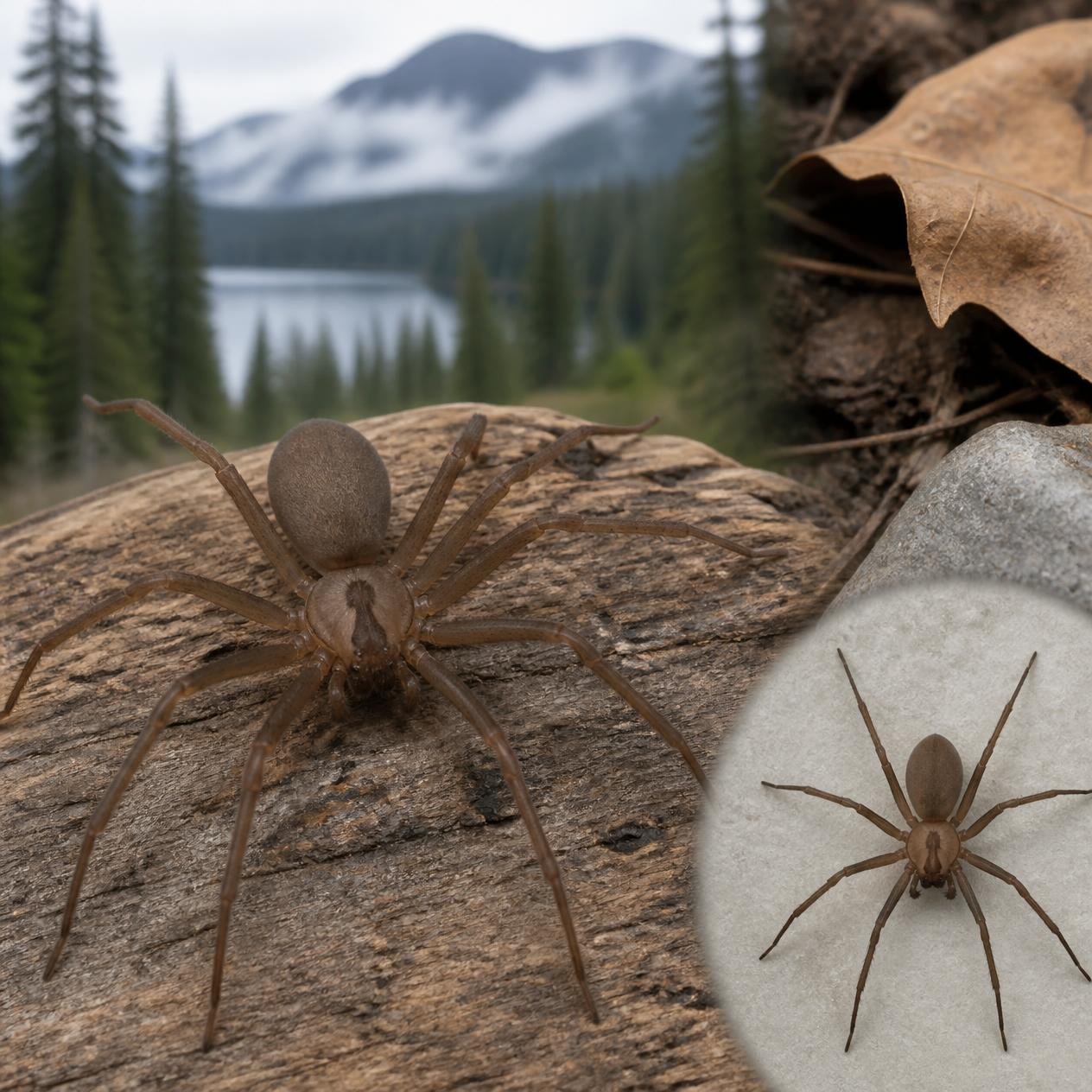
If you spot a brown spider in your home, you may immediately ask, are there brown recluse spiders in Washington? The short answer is no when referring to an established population. According to the Washington State Department of Health, brown recluse spiders are native mainly to the Midwest and South-Central United States, not Washington State.
That does not make an accidental sighting impossible. A spider could potentially arrive in Washington inside luggage, boxes, cargo, furniture, or vehicles. However, an individual hitchhiker is very different from a population that lives and reproduces locally.
Brown Recluse Spider Range in Washington
The brown recluse spider range Washington residents see on distribution maps generally does not include Washington as part of the spider’s established natural range.
Brown recluse spiders, scientifically known as Loxosceles reclusa, are associated primarily with parts of the Midwest and South-Central United States. Washington is outside this recognized distribution.
It is also important to distinguish between an isolated introduction and an established population. Even if one spider arrives from another state, that does not mean brown recluse spiders have become established in Washington.
Could a Brown Recluse Arrive in Washington?
Although are brown recluse spiders in Washington State is generally answered no for established populations, accidental transportation can happen.
A spider could potentially travel into the state through:
- Moving boxes and household belongings
- Luggage from areas where brown recluses are common
- Commercial cargo and shipments
- Furniture and stored items
- Cars, trucks, or other vehicles
These situations are unusual. Finding one suspected spider should not automatically lead to the conclusion that you have a brown recluse infestation.
Why Brown Spiders Are Often Misidentified
The brown recluse Washington concern is often caused by mistaken identification. Washington has many spiders with brown, tan, gray, or darker bodies. Some can look similar to photographs of brown recluses, especially when viewed quickly.
Color alone cannot confirm a brown recluse. Even a dark marking on the body is not enough because unrelated spider species can have similar patterns.
If you search do brown recluse spiders live in Washington, you may find conflicting reports based on individual sightings. The important question is whether the species has an established population. For Washington, it does not.
Common Spider Lookalikes in Washington
Several local spiders can be confused with a brown recluse spider in Washington State.
Giant house spiders and hobo spiders are common examples. They may enter houses, garages, basements, sheds, and other sheltered areas. Their brown coloration can make them appear more concerning than they actually are.
Yellow sac spiders are another possible source of confusion in the Pacific Northwest. Their appearance can lead people to assume they have found a recluse when they have actually encountered a different species.
For reliable identification, consider the spider’s complete appearance rather than relying on one feature.
Which Washington Spiders Should You Know?
Washington is home to a wide variety of spiders, and most are not considered dangerous to people. The western black widow is the primary established spider in the state associated with medically significant venom.
This is why correctly identifying a Washington brown recluse spider is more useful than assuming every brown spider is a recluse.
It is also worth remembering that many suspected spider bites are not actually caused by spiders. Skin infections, other insects, and unrelated skin reactions can produce symptoms that people may mistake for a spider bite.
What to Do If You Find a Suspected Brown Recluse
If you believe you have found brown recluse spiders Washington State residents normally would not expect to encounter, avoid handling the spider directly.
Instead:
- Take a clear photograph without disturbing it.
- Note where you discovered the spider.
- Estimate its body size and leg span.
- Record its color and visible markings.
- Contact a qualified pest professional or entomologist.
- Preserve the specimen only if you can do so safely.
Professional identification can prevent unnecessary concern, especially because several Washington spiders can resemble brown recluses.
Details That Help With Spider Identification
If you want help identifying a spider, provide:
- Approximate size: Include both body length and leg span.
- Color: Describe the body, legs, and underside.
- Markings: Note spots, stripes, or darker shapes.
- Location: Mention whether it was found indoors, outdoors, in a garage, basement, or another area.
- Photos: Clear images from different angles can make identification easier.
What to Remember About Brown Recluses in Washington
The important point is that are there brown recluse spiders in Washington does not have the same answer as asking whether one individual could ever arrive there.
- Washington does not have an established brown recluse population.
- Individual spiders could theoretically arrive through transported goods or belongings.
- Local spiders are frequently mistaken for brown recluses.
- Brown color alone is not enough for identification.
- Professional identification is the best option when you are uncertain.
If you find a suspicious spider, take a photograph and document where you found it rather than immediately assuming it is a brown recluse. This approach can help distinguish an unusual transported spider from one of the many species that naturally occur in Washington.

Honey Sharma is a digital marketing professional with 12 years of industry experience and 8 years of expertise in content writing. Having worked across various niches, Honey creates SEO-led, user-focused content that turns ideas into strategies driving visibility, engagement, and business growth.