Installing the New York Concert Grand library is simple once you know where it belongs. In most setups, the files should be placed inside the Kontakt or Native Instruments library folder, usually within the Kontakt Libraries directory. This allows the sampler to locate the instrument files and load the piano samples smoothly inside your DAW.
Understanding the New York Concert Grand Library
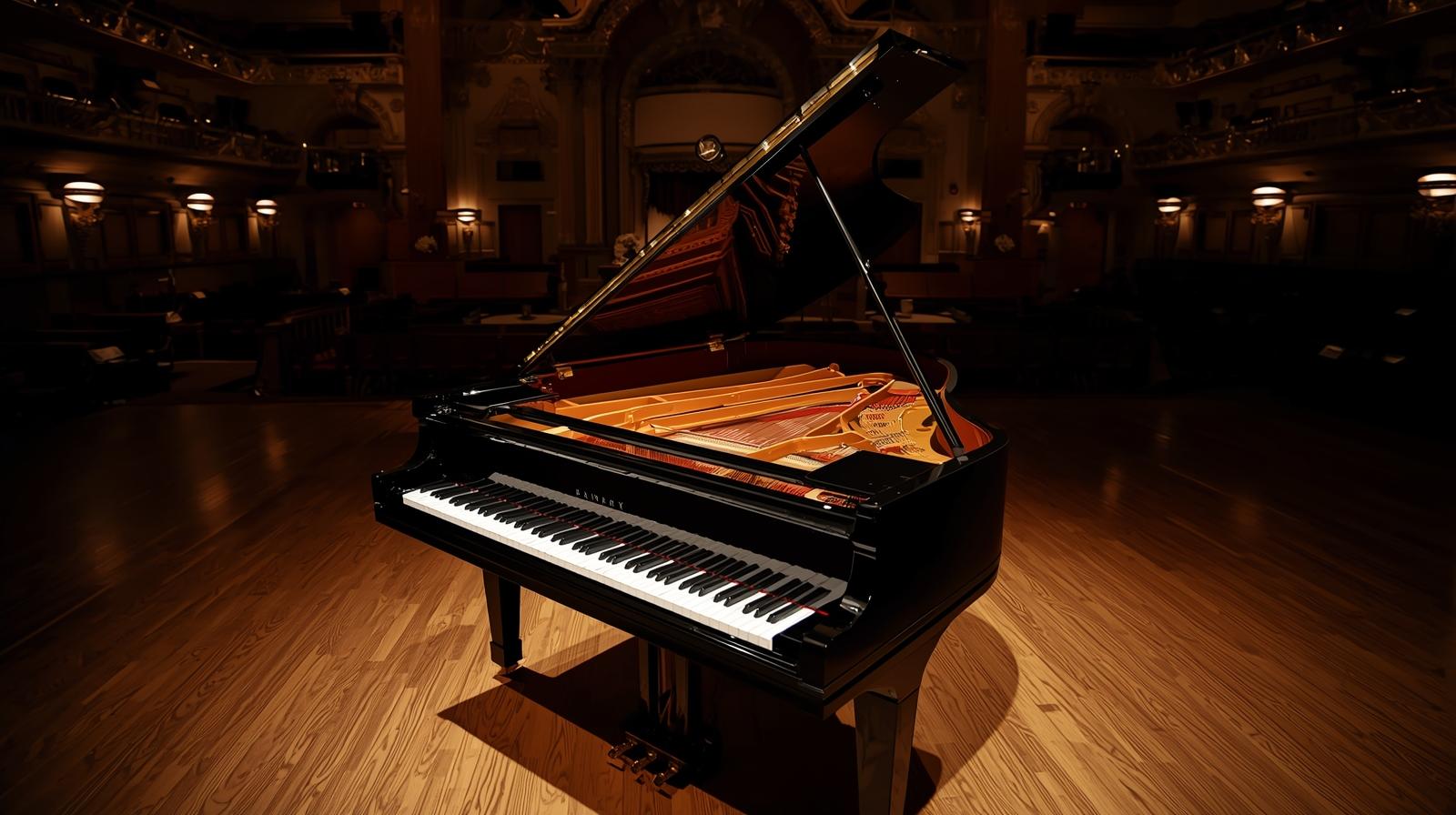
The New York Concert Grand is a detailed virtual piano library used by composers, producers, and keyboard players. It recreates the sound of a classic concert grand piano recorded in a professional studio.
The tone is rich. Clear. Very expressive.
Many people use it for film scoring, piano tracks, background music, or even simple songwriting sessions. Honestly, it is the kind of piano sound that instantly feels familiar. You press a key and it just feels musical.
Unlike basic keyboard sounds, this library works through a sampler engine such as Kontakt. The instrument loads thousands of recorded notes and velocity layers. That is why the folder structure matters. If the files sit in the wrong place, the instrument simply cannot find its samples.
Recommended Folder Location
Most producers keep piano libraries inside a Kontakt Libraries folder. It keeps things organized and avoids broken sample paths later.
Typical Windows path
C:\Users\Public\Documents\Native Instruments\Kontakt Libraries
Another common location
C:\Program Files\Native Instruments
Typical Mac location
Macintosh HD / Users / Shared / Native Instruments / Kontakt Libraries
Inside that directory, the New York Concert Grand folder should sit as its own library.
Example layout
Kontakt Libraries
New York Concert Grand
Instruments
Samples
Documentation
Keeping the folder clean like this is honestly a small habit that saves a lot of trouble later.
Simple Steps to Add the Library
Adding the library is not complicated. A few steps and you are done.
Extract the library files
Most downloads arrive as ZIP or RAR archives. Extract them first.
Place the extracted New York Concert Grand folder into your Kontakt Libraries directory.
Small tip. Avoid putting it on the desktop or downloads folder. That path changes easily and can break sample links.
Open Kontakt
Launch Kontakt in standalone mode or load it inside your DAW.
Many producers prefer the standalone version first. It helps confirm the library loads correctly.
Register or load the folder
Inside Kontakt
Open the Files tab or library manager.
Browse to the New York Concert Grand folder.
Select the instrument file.
Once loaded, Kontakt reads the instrument preset and links it to the sample files.
Load the piano instrument
Now open the instrument preset.
The piano loads. The interface appears.
And honestly, the first chord usually sounds pretty impressive.
Key Files Inside the Library
Every piano library contains several types of files. Knowing them helps when troubleshooting.
Instrument preset files
These usually use the NKI extension.
They store the instrument setup, mapping, and performance controls.
Think of them as the blueprint of the instrument.
Sample recordings
These are the real piano recordings. They may appear as WAV or NCW files.
Large piano libraries include thousands of samples. Every note, every velocity layer. Some even include different microphone positions.
It sounds technical, but the result is simple.
More samples usually mean a more realistic piano.
Additional folders
Many libraries also include
- presets
- documentation
- performance settings
These help shape the sound but do not contain the raw audio recordings.
Common Folder Placement Mistakes
A lot of installation problems come from simple folder mistakes.
Extra nested folders
Sometimes the extraction creates something like
New York Concert Grand
New York Concert Grand
Samples
Kontakt expects the first folder level. If the files sit deeper, the sampler struggles to find them.
Moving samples later
This one happens more often than people think.
You install the library. It works. Later you move the folder to another drive.
Suddenly Kontakt asks for missing samples.
The fix is easy, but it wastes time. Better to choose the final library location from the beginning.
Using temporary folders
Downloads folders are messy. Files get deleted or moved.
Libraries should live in a stable location such as a dedicated sample directory.
Organizing Multiple Piano Libraries
If you use several piano libraries, good organization helps a lot.
Many producers create a master folder like this
Sample Libraries
Kontakt Libraries
New York Concert Grand
Studio Grand Piano
Upright Piano Collection
It looks simple. But it keeps projects stable for years.
Honestly, when a session opens perfectly after months, you appreciate clean file organization.
Helpful Storage Tips
Piano libraries can be large. Some reach tens of gigabytes.
A few practical tips help performance
- store libraries on an SSD
- keep one folder per instrument
- avoid renaming library directories
- maintain consistent folder paths
SSDs especially make a difference. The piano loads faster and streams samples more smoothly.
For composers working with orchestral templates or large sessions, that speed really matters.
A well-placed New York Concert Grand library inside the Kontakt directory ensures the instrument loads quickly, stays organized, and works reliably across music production projects.

Honey Sharma is a digital marketing professional with 12 years of industry experience and 8 years of expertise in content writing. Having worked across various niches, Honey creates SEO-led, user-focused content that turns ideas into strategies driving visibility, engagement, and business growth.