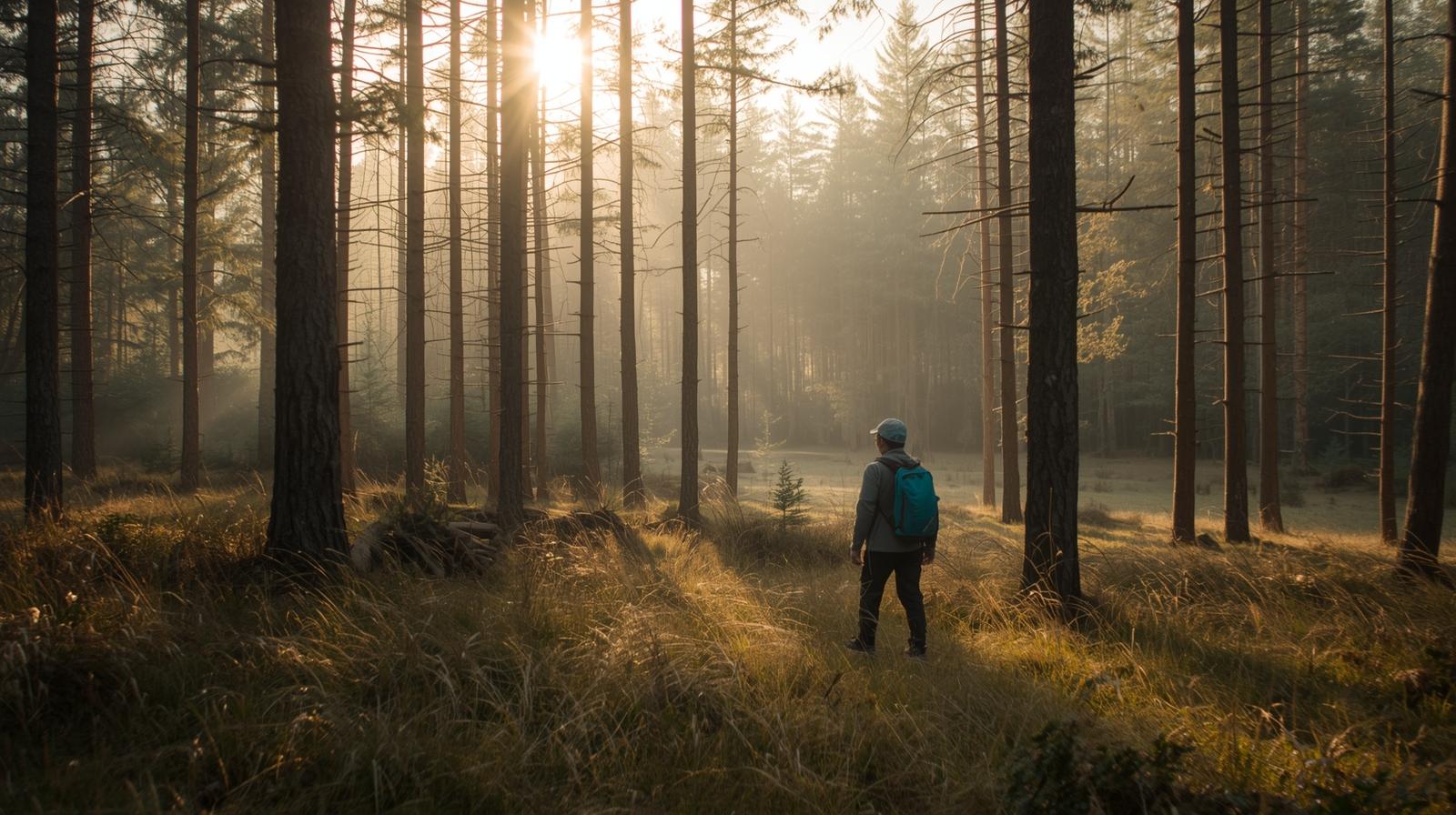
Hunting season in New York generally runs from early September through late winter, depending on the animal and hunting method. Small game hunting usually starts around September 1, while popular seasons like deer and bear take place mostly from September through December. Turkey hunting also has a separate spring season that typically happens during May.
Overview of Hunting Season in New York
Hunting in New York follows a structured calendar. The state carefully manages wildlife through seasonal dates, hunting zones, and licensing rules. These regulations are handled by the New York State Department of Environmental Conservation, which adjusts seasons each year based on wildlife population data.
In practical terms, the hunting year in New York runs from September through the following spring, though the busiest months are in fall. That’s when forests, fields, and rural lands see the most hunters heading out early in the morning.
For many people, hunting season is more than a schedule. It’s tradition. Some families plan the entire fall around opening weekend.
Major Hunting Seasons by Species
Different animals have different seasons. This helps protect wildlife populations while still allowing hunting opportunities throughout the year.
Deer Hunting Season
Deer hunting is easily the most popular activity during hunting season in New York. When November arrives, many hunters feel the excitement. Camps open. Gear gets checked again.
The season usually follows this general pattern:
- Early bow season: late September to late October
- Regular firearms season: mid-November to early December
- Late bow and muzzleloader season: early to late December
The firearms season in November is often considered the peak of deer hunting in New York.
You’ll notice small towns getting busier during that week. Gas stations fill up early in the morning. Pickup trucks with camouflage gear are everywhere. It has a certain atmosphere that locals instantly recognize.
Turkey Hunting Season
Turkey hunting works differently because it happens twice each year.
Typical seasons include:
- Spring turkey season during May
- Fall turkey season in October in many areas
- Youth turkey hunt in late April
Spring turkey hunting has its own charm. Early mornings are quiet, and hunters listen carefully for the sound of gobbling birds in the distance.
Many experienced hunters actually prefer the spring turkey season because the weather is comfortable and birds are more active.
It’s not unusual to see hunters heading into wooded areas just before sunrise with a simple call and a lot of patience.
Black Bear Hunting Season
Black bear hunting is available in certain parts of New York where the population is strong.
The most common periods include:
- Early bear season starting in September
- Regular bear season continuing through November
- Some overlapping dates with deer hunting
Many hunters appreciate that bear season overlaps with deer season. If a bear appears during a legal timeframe, the opportunity is there.
That flexibility makes fall hunting trips more interesting.
Of course, bear hunting requires extra preparation and experience.
Small Game Hunting Season
Small game hunting begins earlier than most big game seasons and usually lasts longer.
Common small game seasons include animals such as:
- Squirrels
- Rabbits
- Grouse
- Snowshoe hare in northern areas
These seasons often begin around early September and continue into winter.
Small game hunting is often where beginners start. It’s less complicated, and the pressure is lower.
Honestly, many hunters say small game hunts are some of the most relaxing days outdoors.
A simple walk through the woods with a shotgun can be just as rewarding as a big game hunt.
Hunting Zones and Regional Differences
New York divides the state into two main hunting areas:
- Northern Zone
- Southern Zone
Each zone has slightly different season dates and wildlife management rules.
For example, deer hunting often starts earlier in the Northern Zone but ends sooner. The Southern Zone typically runs longer.
These regional differences exist because wildlife populations vary across the state.
Mountains, forests, and farmland all support different animal numbers. Adjusting the seasons helps maintain healthy populations.
Licenses and Legal Requirements
Before heading out to hunt, every hunter must meet the legal requirements.
The basics include:
- A valid hunting license
- Species-specific permits for certain animals
- Completion of a hunter education course for beginners
Hunters also need to report harvested animals such as deer, bear, or turkey.
This reporting system helps wildlife officials track population trends and adjust future hunting seasons.
It might sound like paperwork, but it plays a huge role in conservation.
Safety and Ethical Hunting Practices
Safety is always a big focus during hunting season. Experienced hunters treat it seriously.
A few simple habits make a big difference:
- Wear blaze orange during firearm seasons
- Always identify the target clearly
- Respect property boundaries and landowners
These practices protect hunters and other outdoor visitors.
Most hunters will tell you the same thing: responsible hunting keeps the tradition alive.
And honestly, nothing beats a calm fall morning in the woods. The air is crisp, leaves crunch under your boots, and the forest slowly wakes up. For many people in New York, that quiet moment is exactly why hunting season matters.

Mohd Anas is a research-driven writer with hands-on experience in creating insightful local content. With a strong background in engagement operations and digital content strategy, he delivers clear, accurate, and reader-friendly information. His writing helps audiences discover local insights, practical solutions, and well-researched answers to everyday queries.