
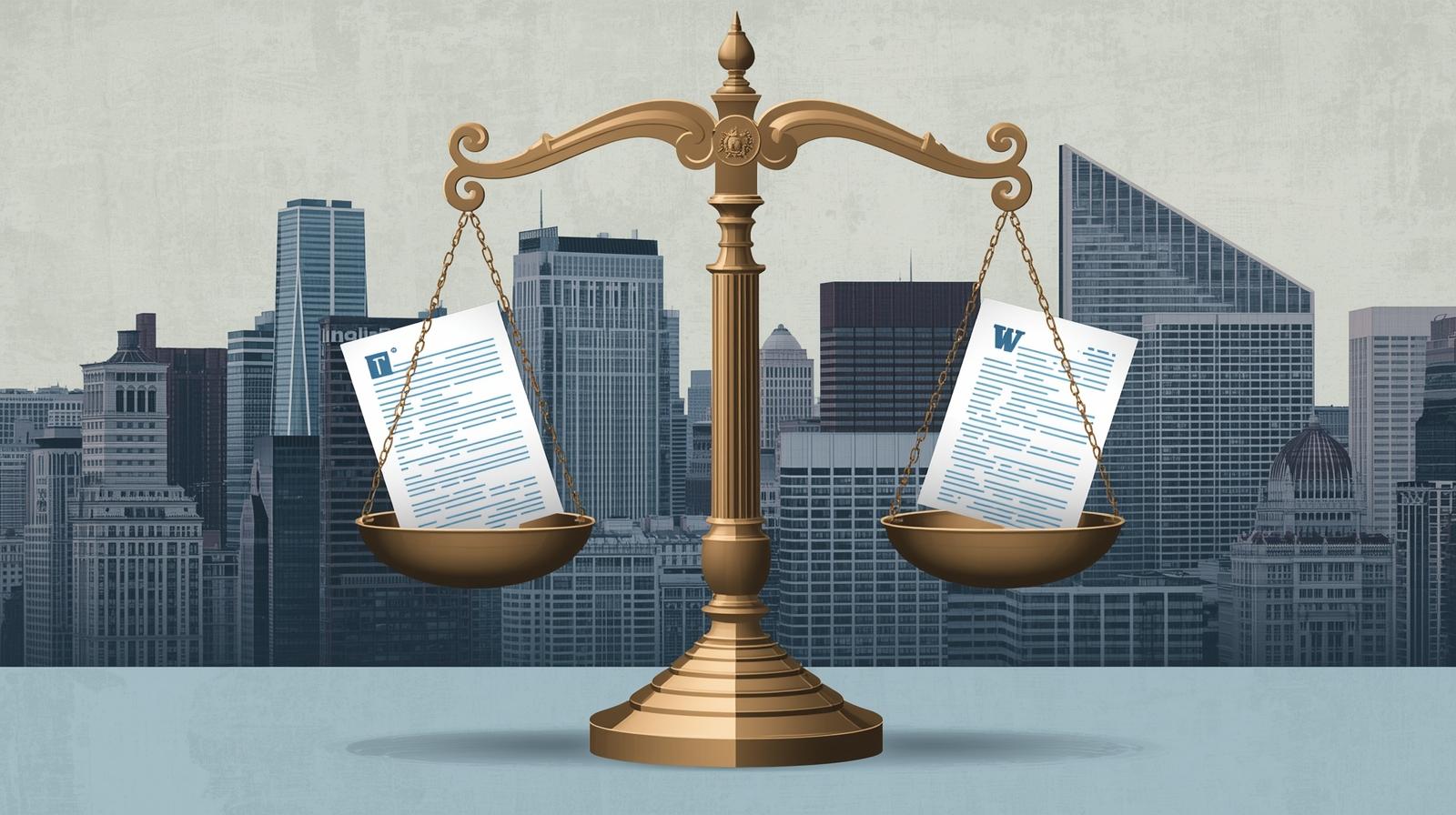
New York is not a marital property state in the traditional community property sense. Instead, it follows an equitable distribution system. This means property acquired during the marriage is divided in a way the court considers fair. The split might be close to equal, but it is not automatically 50–50.
Property Division System in New York
New York handles divorce property matters under equitable distribution law. In simple terms, the court divides marital assets based on fairness rather than strict equality.
This approach recognizes that marriages are not just financial arrangements. They are partnerships. One spouse may earn most of the income. The other may run the household, raise children, or support the partner’s career growth.
Both types of contributions matter under New York law.
In real life, many couples assume everything will be split exactly in half during divorce. That is a common belief. But the court first looks at the full financial picture before deciding how assets should be divided.
Understanding Equitable Distribution
Equitable distribution means a fair division of marital assets based on individual circumstances. Judges review many factors before deciding who receives what.
Some important points include:
- Fair does not always mean equal
- Non-financial contributions are recognized
- The court evaluates each marriage differently
A short marriage with few shared assets will look very different from a 20-year marriage with property, retirement funds, and investments.
Fairness is the guiding principle.
Marital Property Under New York Law
The first step in property division is identifying marital property. In New York, this usually refers to assets acquired by either spouse during the marriage.
Typical examples include:
- Homes purchased during the marriage
- Savings and bank accounts built over time
- Retirement plans and pension benefits
- Businesses started or expanded while married
- Vehicles and household items
Ownership names do not always control the outcome. For example, a house purchased during the marriage may still be marital property even if only one spouse’s name appears on the title.
That surprises many people.
If the asset was obtained during the marriage, it often belongs to both spouses legally.
Separate Property and Personal Assets
Not all property is divided in a New York divorce. Some assets are classified as separate property, meaning they remain with the original owner.
Separate property often includes:
- Assets owned before the marriage
- Inheritances received individually
- Gifts given to one spouse by someone else
- Certain personal injury settlements
However, separate property can sometimes change its status. This happens when assets become mixed with marital funds.
Here is a simple real-life example. Someone inherits money and deposits it into a shared bank account used for family expenses. Over time, that money may lose its separate identity.
Mixing assets can complicate property classification.
Factors Courts Review When Dividing Property
New York judges follow legal guidelines when deciding how to divide marital property. The goal is to reach a balanced financial outcome.
Courts commonly evaluate:
- Income and property of each spouse
- Length of the marriage
- Age and health of both individuals
- Contributions to the household or career support
- Future earning potential
- Custody arrangements involving children
These factors help the court understand the economic partnership created during the marriage.
A long marriage often results in a broader sharing of assets. Shorter marriages may lead to a different outcome.
Every divorce case has its own financial story.
Treatment of Marital Debt
Property division in New York also includes marital debt. If debts were created during the marriage, they may be shared between spouses.
Examples include:
- Mortgage balances
- Credit card debt used for family expenses
- Personal loans taken during the marriage
Just like assets, debts are divided according to fairness rather than automatic equality.
In practical terms, the spouse with higher income might sometimes take on a larger portion of certain obligations. That depends on the situation.
Importance of Prenuptial and Postnuptial Agreements
Some couples choose to create legal agreements that define how property will be handled in case of divorce. These are known as prenuptial and postnuptial agreements.
They allow spouses to decide in advance:
- What counts as separate property
- How certain assets will be divided
- Financial responsibilities during marriage
When written properly, courts usually respect these agreements.
Many financial advisors actually recommend them for couples entering marriage with businesses, investments, or significant personal assets.
Clear agreements often reduce disputes later.
Practical View of Property Division
Divorce property disputes do not always reach the courtroom. In many situations, couples negotiate settlements through attorneys or mediation.
This can be a more practical path. Negotiated agreements often save time, money, and stress.
It also allows spouses to design solutions that fit their real financial needs instead of leaving everything to a judge’s final decision.
Understanding how New York handles marital property helps people approach divorce with clearer expectations. The system focuses on fairness, recognizing that each marriage creates its own financial structure and shared responsibilities.

Mohd Anas is a research-driven writer with hands-on experience in creating insightful local content. With a strong background in engagement operations and digital content strategy, he delivers clear, accurate, and reader-friendly information. His writing helps audiences discover local insights, practical solutions, and well-researched answers to everyday queries.