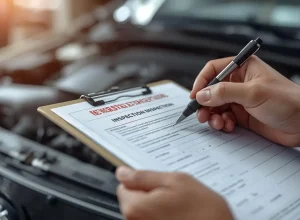
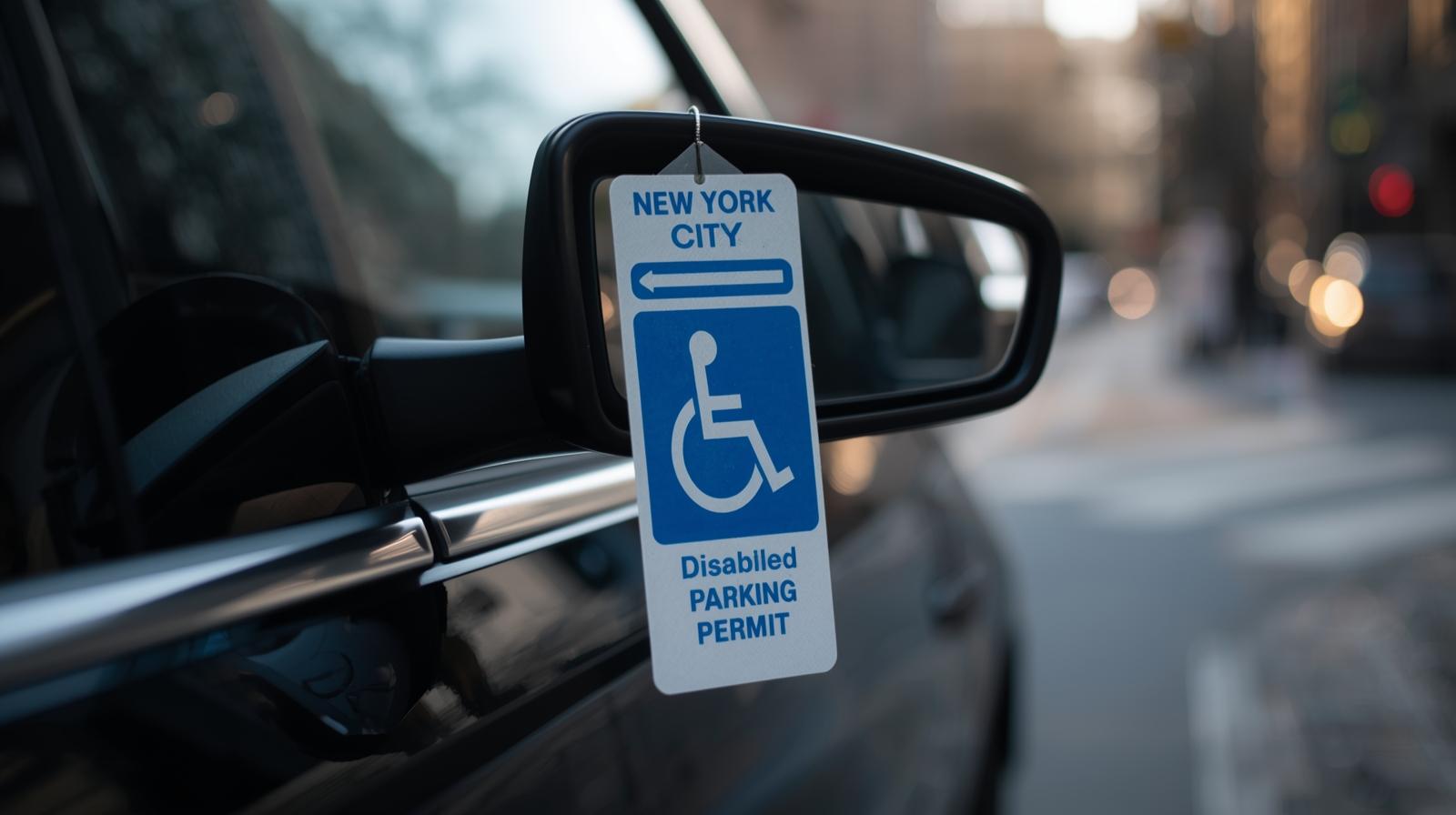
Getting a disabled parking permit in New York is fairly simple if you follow the right steps. You must complete the official MV-664.1 application form, have a licensed medical professional certify your disability, and submit the form to your local city, town, or village issuing office. Once approved, you receive a placard that allows you to park in designated accessible parking spaces across the state.
Understanding Disabled Parking Permits in New York
New York provides special parking access for people with mobility challenges. The system is meant to make everyday travel easier. Think of hospital visits, grocery runs, or a quick stop at the pharmacy. Those extra steps in a parking lot can feel huge when walking is difficult.
The state mainly issues a blue disabled parking placard, commonly called the New York State Parking Permit for Persons with Disabilities.
This permit allows the holder to park in marked accessible parking spaces. These spots are usually closer to building entrances. Honestly, for someone with limited mobility, that small distance can make a big difference.
A useful point many people miss. The permit belongs to the person, not the vehicle. So it can be used in any car as long as the disabled person is traveling in it.
New York City Special Permit
New York City also offers a separate option called the Parking Permit for People with Disabilities (PPPD).
This permit is designed for people who depend heavily on private vehicles in the city. Parking in NYC is tough even for healthy drivers. For someone with a serious disability, it can feel almost impossible.
The permit provides extra privileges such as:
- Parking at meters without paying
- Parking in certain No Parking zones
- Limited use of commercial loading zones during allowed hours
Still, some restrictions remain. Areas like bus stops, fire hydrants, and “No Stopping Anytime” zones are always off limits.
Eligibility Requirements
Not every medical condition qualifies. The state focuses on mobility-related disabilities that seriously limit walking ability.
Common qualifying conditions include:
- Severe lung or heart disease that affects walking
- Loss or limited use of one or both legs
- Neurological or neuromuscular disorders
- Legal blindness
- Medical conditions requiring wheelchairs, walkers, crutches, or braces
A licensed healthcare provider must confirm the condition. Without medical certification, the application cannot move forward.
One detail people often find surprising. You do not need to drive to get a permit. Even children or non-drivers with disabilities can receive one.
Application Process
The process itself is straightforward. Most applicants complete it in just a few steps.
Get the Official Application Form
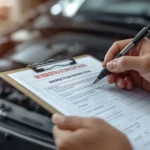
The required document is Form MV-664.1.
You can get this form from:
- The New York DMV website
- Your local town or city clerk office
- Certain municipal offices that issue permits
A quick tip. Many people download it online first and fill out the personal section before visiting the doctor. It saves time.
Medical Certification
Next comes the medical part. A qualified healthcare professional must verify your disability.
Eligible professionals include:
- Medical doctors
- Doctors of osteopathy
- Podiatrists
- Optometrists for blindness cases
The provider either fills out the certification section on the form or attaches a signed medical statement.
A small but helpful suggestion. Make sure the doctor clearly explains the mobility limitation. Vague descriptions sometimes slow down approvals.
Submit the Application
Once the form is complete, submit it to the local permit issuing office.
Usually this is your:
- City clerk
- Town clerk
- Village clerk
Here’s something many applicants get wrong at first. The New York DMV does not issue these placards directly. Local municipal offices handle the process.
Depending on the location, applications may be accepted in person or by mail.
Receiving the Parking Placard
If the application is approved, the office will issue a disabled parking placard.
The placard hangs from the rearview mirror when the vehicle is parked. It should always be removed while driving so it does not block the driver’s view.
Simple rule. The permit can only be used when the disabled person is in the vehicle.
Using someone else’s permit without them present can lead to fines or cancellation.
Temporary and Permanent Permits
New York offers two types depending on the medical condition.
Temporary Permit
Temporary permits are issued for short-term disabilities. For example, after surgery or a serious injury.
Typical features include:
- Valid for up to six months
- Requires medical confirmation of temporary disability
- May be renewed if recovery takes longer
Honestly, these are very helpful during recovery periods when walking long distances is painful.
Permanent Permit
Permanent permits are for long-term or lifelong disabilities.
Important details include:
- Valid for several years depending on local rules
- May require renewal after expiration
- Does not need frequent medical re-approval in most cases
For people managing chronic conditions, this long validity period reduces paperwork stress.
Documents Commonly Required
Before applying, it helps to gather the right documents.
Most offices ask for:
- Completed MV-664.1 application form
- Medical certification from a licensed healthcare provider
- Valid identification
- Sometimes proof of local residency
Keeping copies is always a smart move. Small paperwork mistakes happen more often than people expect.
Responsible Use of the Permit
Accessible parking spaces exist for a reason. They support people who genuinely need them.
So there are a few important rules.
- Display the placard clearly when parked
- Use it only when the disabled person is in the vehicle
- Renew it before the expiration date
A small real-life observation. In busy places like shopping centers or hospitals, those accessible spots fill up quickly. When used correctly, they truly help people maintain independence in daily life.
And that, in many ways, is the real purpose of the permit. Making everyday errands just a little easier.

Mohd Anas is a research-driven writer with hands-on experience in creating insightful local content. With a strong background in engagement operations and digital content strategy, he delivers clear, accurate, and reader-friendly information. His writing helps audiences discover local insights, practical solutions, and well-researched answers to everyday queries.